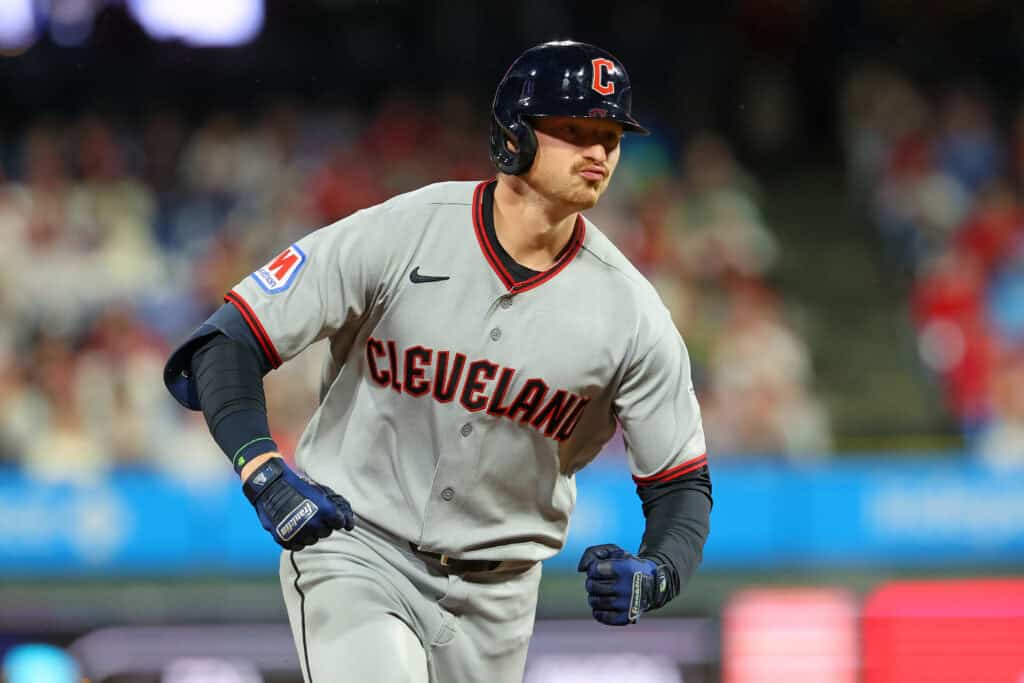
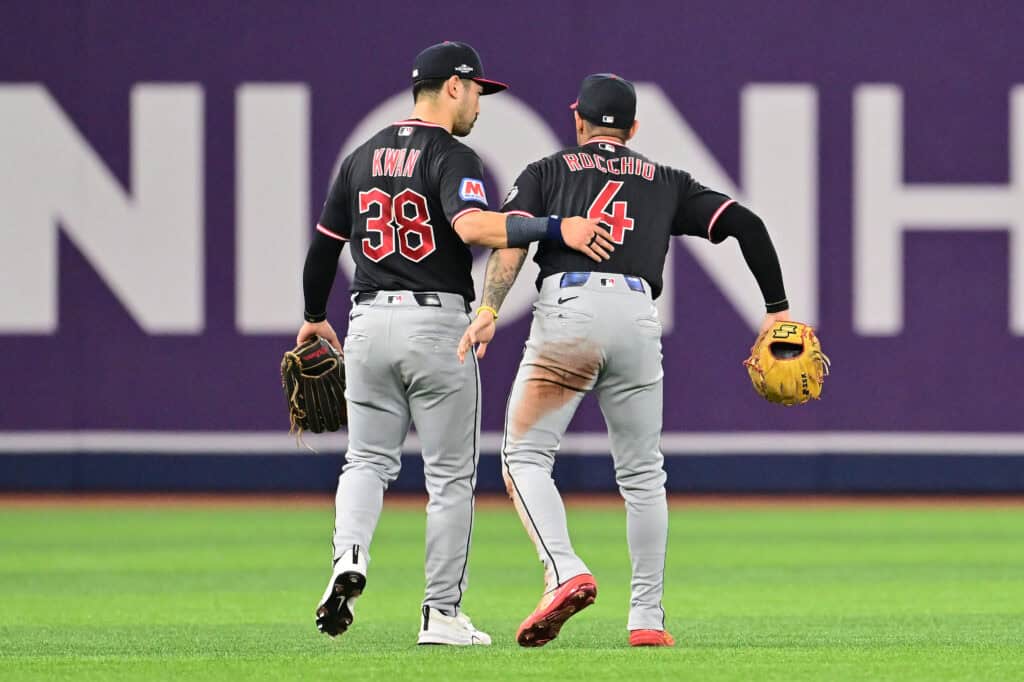
An insider believes there is more going on behind the scenes with the Cleveland Guardians than simply passing on big names in free agency.
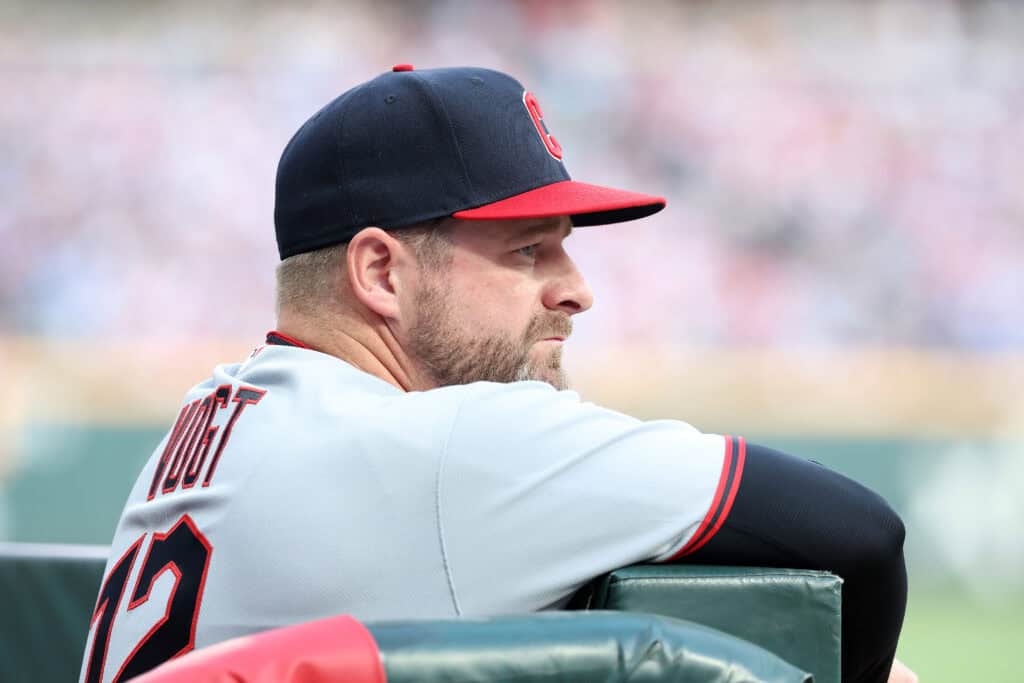
While many fans have expressed frustration over the team’s quiet offseason, longtime Cleveland.com reporter Paul Hoynes offered a broader explanation for why the Guardians did not pursue major free agents to upgrade the offense.
According to Hoynes, the decision appears to be rooted in both philosophy and long-term financial planning.
“I think they are committed to the players they’ve developed,” Hoynes wrote. “I also think the slashed payroll has something to do with a potential lockout following the expiration of the basic agreement on Dec. 1, 2026. It also could be a precursor of David Blitzer becoming the majority owner of the Guardians.”
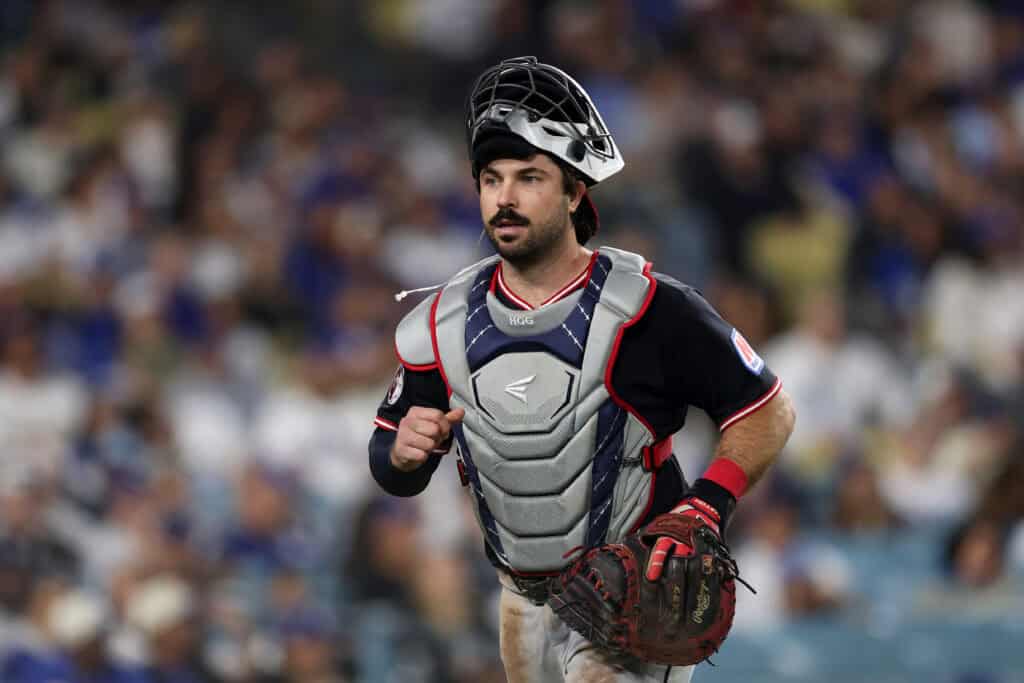
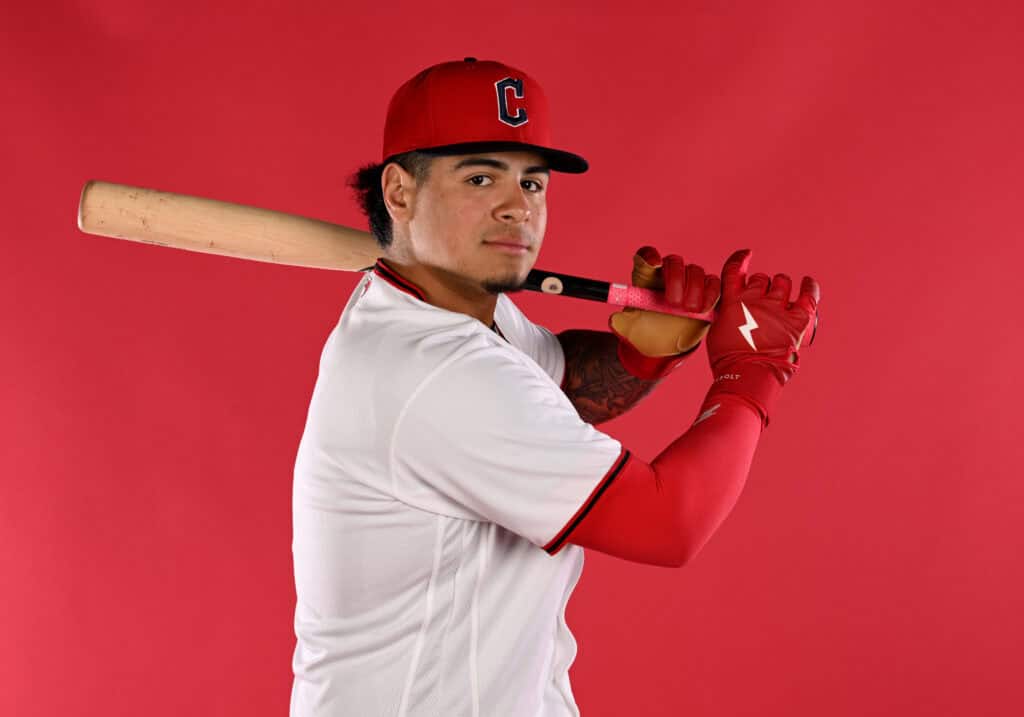
First, the Guardians have long built their identity around player development. From Jose Ramirez to a steady pipeline of young pitching, the organization has consistently leaned on internal growth rather than splashy signings. Staying committed to that blueprint means giving prospects and homegrown players opportunities instead of blocking them with expensive outside additions.
Second, the potential labor situation cannot be ignored. The current collective bargaining agreement expires in December 2026, and there has already been speculation about possible labor tension between owners and players. If a lockout becomes a real possibility, teams may be hesitant to commit to large, long-term contracts until there is more clarity about the economic landscape of the sport.
Reducing payroll now could provide flexibility later. It could also serve as a financial buffer if baseball faces another work stoppage.
Finally, Hoynes mentioned the possibility of David Blitzer eventually becoming the majority owner. Ownership transitions often come with financial restructuring or strategic shifts. Keeping payroll lower in the short term could make the franchise more attractive or provide room for future changes once ownership is settled.
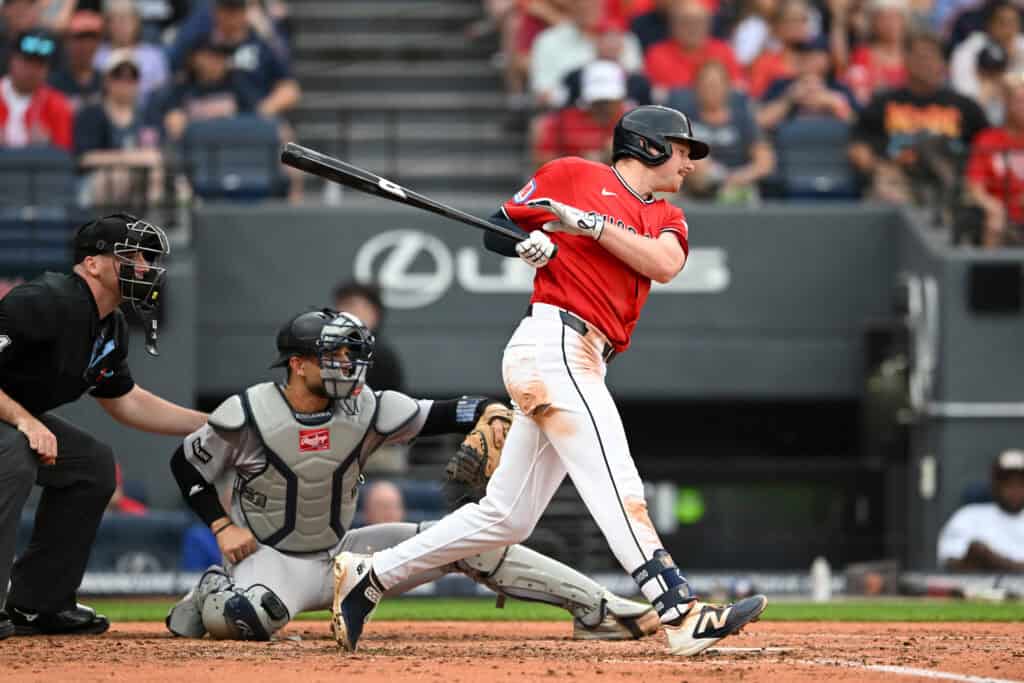
Of course, none of that makes the lack of offensive upgrades easier for fans to accept. The Guardians struggled to score runs last season, finishing near the bottom of the American League in key offensive categories. Many expected at least one significant addition to address those issues.
Instead, Cleveland largely stood pat.
Whether the strategy proves wise will depend on how the team’s young core develops and whether internal improvements can compensate for the absence of outside reinforcements.
NEXT: Steven Kwan Speaks Out About His Contract Extension Talks